


Education Requirements
Although you can work as a welding inspector without having a degree, you’ll land a job faster after taking proper courses. In many states, employers always consider candidates who have a post-secondary education before reviewing other job applications.
Many technical programs for welding inspectors last for at least one year. A typical course covers:
- Fabrication
- Metallury
- Arc welding
If you’d like to pursue a variety of career opportunities, consider taking a 2-year associate program. During this course, an instructor will discuss general welding procedures and unique methods that are specifically designed for pipe, gas, arc, and tungsten arc welding.
Welding Inspector Job Description
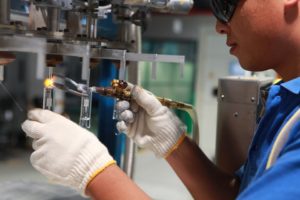
As a welding inspector, you’ll have to carefully examine various joints that are welded onto structures to ensure that everything meets specific safety standards. During major projects, you may have to inspect welding procedures while they’re implemented in order to keep the quality specifications consistent. All jobs have unique requirements, but a typical inspector must always review:
- Procedures that were implemented by welders in shops
- Techniques that were used on an assembly line
- Welds that are done with advanced welding equipment
After a welding inspector completes an inspection task, key steps must be taken based on the test results. Special equipment helps a welding inspector make strategic choices at the end of an inspection, as it can detect welding problems that can affect joint strength, alignment issues, and more.
Welding Inspector Careers
In the United States, there are over 300,000 welding inspectors who have successful careers. These workers are employed at manufacturing, architectural, and engineering companies. The most popular options in the manufacturing industry for welding inspectors are offered by employers at automotive dealerships and construction warehouses. Architectural and engineering welding inspection careers should be considered if you have a solid education because you’ll need a variety of skills to succeed. Each year, new technologies are developed for businesses in these industries, and a professional inspector must fully understand how complex welding procedures are implemented in order to perform thorough inspections in these environments.