

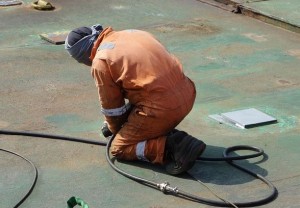

Duties of Welding Engineers
Whether working in a refinery or on an offshore rig, welding engineering jobs have many of the same basic duties associated with them. Most time is spent trying to solve various types of engineering problems, which can include developing new types of welding procedures, analyzing weld failures and learning how to eliminate welding defects, training workers on how to do laser and electron beam welding and much more. While they spend some time behind a desk, most welding engineers are actively working in the field most of the time.
Expert Testimony
Many welding engineers serve as expert witnesses in court cases involving situations where weld failure is alleged to have occurred, leading to an accident. In these instances, engineers conduct on-site field investigations as well as perform root cause and weld failure tests. Along with these situations, many welding engineers also provide product liability evaluation to companies, helping them solve any potential problems prior to a product being released on the open market. Many also act as technical advisors during the research and development process, helping companies be more efficient.
Consultation
Welding engineers also act as consultants to many oil and gas companies, providing expert analysis for oil refineries, petrochemical plants and pipelines. In this role, engineers analyze current operating procedures and make recommendations as to how companies can improve safety, efficiency and overall work procedures on the job. Their major goal is to identify welding problems and then recommend specific techniques that will enhance the company’s ability to increase production.
Developing and Reviewing Educational Materials
Because of their advisory role to a company, welding engineers are responsible for ensuring their company’s welding equipment meets current state and federal rules and regulations. When not out in the field, they are often in their office reading the latest trade journals to let them keep up with the most up-to-date advances within welding and the oil and gas industry. By doing this on a regular basis, they are then able to test new welding procedures as well as perform upgrades and repairs to equipment. Due to their role as advisors within a company, they often meet with management to discuss current operating procedures and make recommendations regarding new equipment purchases or the implementation of new welding procedures.
Salaries for welding engineering jobs average $75,000 annually, making them very popular for those with an interest in engineering. For those who want a career that offers variety and the chance to make positive changes within an industry, this is a solid career choice.