
5 Things You May Not Know About Oil Jobs
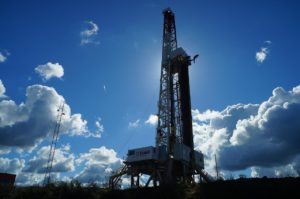 New technology and improved methods of extraction have dramatically altered the oil and gas industry over the last few years. This is an exciting time for the industry and an excellent time to enter it. The industry has been maligned in much of the media and you may hesitate to venture in because of things you have heard or seen; however, here are a few facts about oil and gas jobs that you may not know:
1. There are Jobs for Those Who Care About the Environment
Contrary to the perception in some quarters, the industry does care about the environment. Corporations are placing a greater emphasis on reducing the ecological impact of extraction. The result is that there are numerous opportunities for workers who care about sustainable petroleum exploration.
2. There is Access to A Wide Variety of Jobs
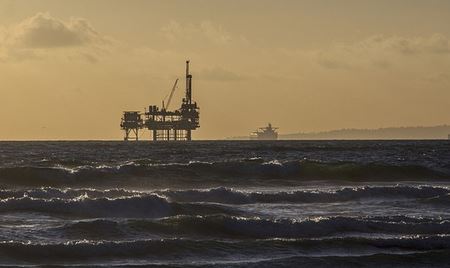
The focus on sustainability creates jobs for everyone from environmental experts to communications and media professionals, but there is demand for a wide variety of skill sets throughout the industry. From office-based jobs to offshore oil jobs, the industry needs a professional workforce as the demand for oil and gas continues to grow.
3. Oil and Gas Jobs Provide Opportunities for Travel
The oil and gas industry is global, which makes it perfect for people who want to travel. Oil workers who travel get to experience other cultures and work with people with vastly different backgrounds from their own. Travel can provide them with a new perspective on the world and the ability to work in a diverse workplace.
4. Oil and Gas Jobs are Important
On the surface, this does not sound like a little known fact at all. Most people know that oil is important to modern society. What many fail to realize is just how important it is. Oil accounts for about a third of humanity’s energy. The infrastructure for oil and gas spans the globe and includes millions of miles of pipeline as well as shipping routes all over the world. According to the Woods Hole Oceanographic Institution, oil alone accounts for 40 percent of all the cargo shipped in the world.
5. Jobs in the Oil and Gas Industry are Safe
There is a widespread perception of oil and gas work as being universally hazardous, but the truth is somewhat different. Accident rates have been in steady decline over the last 20 years. OSHA’s statistics show work on an oil rig to be safer than work in real estate. Yes, there are hazardous jobs, but there are also many safety procedures in place to manage them.
Bureau of Labor Statistics states that the median wage for workers in oil and gas was $46,100 in 2011. That salary is well above the median salary for workers in all other industries. The fact that the Bureau projects growth in the years up to 2020 and the fact that many workers will retire, means that the career outlook is good for those who want to work in oil and gas.
3 Things Every Job Seeker Exploring Tullow Oil Careers Should Know

Document Control Employment
Landing and “Acing” an Oil Industry Interview
About Author
