
The Oil And Gas Industry Takes Steps For Better Worker Safety
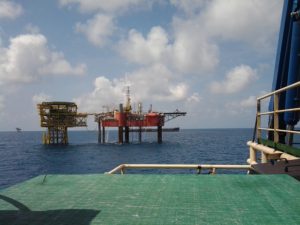 Recognizing the need to enhance the safety of workers in the oil and gas industry, many steps have been taken especially in the upstream sector. These include the use of innovative technology for better efficiency and mechanizing the tasks that endangered the lives of workers. Read this article to learn more about the measures undertaken by the oil and gas industry to protect those working in upstream jobs.
Technology To Protect Workers From Silica Dust
The fine silica dust that emerges from fracking activities can cut through inside the lungs of workers or get lodged there, leading to cancer or silicosis. The health and safety concerns associated with fracking has compelled many companies to develop innovative methods to limit the exposure of silica dust for workers. Using a gravity-fed system to deliver sand has proved to be more effective in protecting the health of workers, while making the process more efficient.
Anna Boiko-Weyrauch said in a recent upstream jobs:
“A 2012 alert and study by the National Institute for Occupational Safety and Health raised an alarm that workers at fracking sites in Colorado and four other states were exposed to silica dust at levels that exceeded occupational exposure limits….Still, many companies in the industry have responded by changing the way they handle frack sand. New innovation and investment suggests that a technological fix can protect workers while boosting efficiency. The changes are as much a way to improve operations as to strengthen worker protections.”
Exploring A Mechanical Way Of Doing Business
Oilfield workers often put in 12-hour work shifts that can tire them easily, putting them at risk of getting injured in the oil sites. Pipe handlers and roughnecks get the brunt of the workload as they operate heavy machinery. This is the reason many companies are exploring a mechanical way of conducting business. Companies have shifted to the use of joysticks that allow workers to connect pipes or tubing with relative ease, minimising the risk of injury to workers.
Maggie Hynes said in a recent upstream jobs:
“With employee safety top of mind, many companies are exploring a more mechanical way of doing business, as it means less fatigue and fewer injuries for oilfield workers who often work 12-hour shifts. Furthermore, pipe handling and roughnecking can cause considerable risks for work sites. Through a video game-like realm, employees can now handle and connect pipe or tubing by manoeuvring joysticks, leaving the robotic cranes to all the manhandling.”
The oil and gas industry is exploring ways of providing better safety to its workers. This includes investing in innovative technologies and introducing a mechanical system for safer oil and gas operations.
The Popularity of Texas Drilling Rig Jobs
Landing and “Acing” an Oil Industry Interview
Oklahoma – The Best Job Location For Oil And Gas Industry Today
About Author
