

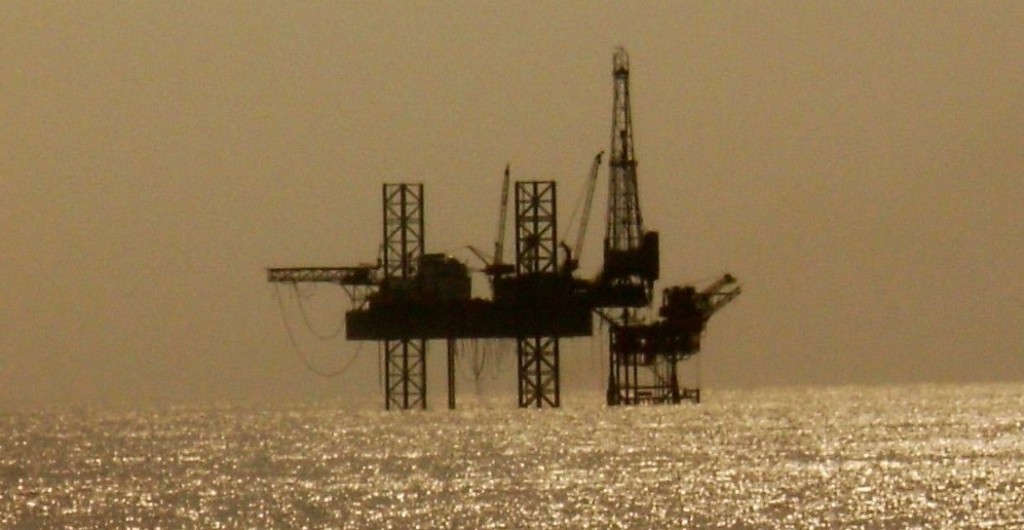

Fishermen and oil workers both know the dangers well. Rough waters make it hard to sleep off shift, and boats at least have buoyancy to roll with the energy of strong waves. Potential sleep deprivation combined with the ground kicking underneath the worker crates more than a little hazard. Seawater, rain, and condensation form the cold all make the deck slippery and treacherous.
Oil rig jobs easily pay $25 or more per hour even for new recruits. In Sterling, that means 19 pounds or better. Workers are selected for their health and their energy. Young men are at a premium for working in the North Sea, but it also happens that young lives are cut short by the hazardous work conditions. Work is not always bad, but the Winter season is predictably hostile.
Space on a rig is limited, so crews are rotated in 12 month shifts. To make the most of manpower and to reflect the need for 24 hour output, crews work in 12 hour shifts. This contributes to fatigue, and fatigue can blur judgement and motor skills. It is frequent for oil rig workers to sustain minor injuries or to turn down sick. Most accidents are not fatal, but the opportunities for instant death are not scarce.
North Sea companies have strict rules and all decks have rails with several levels. This makes it difficult for a person to passively fall overboard, but strong knocks from the sea or entanglement in lines remains a risk. Most workers remain indoors during inclement weather and generally only venture outdoors in foul weather. Moving between rig levels requires exposure and therefore risk. Cold weather numbs both motor control and personal senses.
Rig equipment itself can be somewhat dangerous, although company policies and safety features have been refined over the years to increase safety. Oil rig companies appreciate their workers are at risk and take efforts to safeguard their well being. Although employees are compelled to work hard throughout their shift, they are evaluated after returning to port from their station and do not return to work until they have recovered from harm or exhaustion.
The good news is that workers have some flexibility in when they return to a rig. The companies they work for offer generous medical benefits and take both physical and psychological problems seriously. Worker accident is compensated, and these companies have a financial incentive to take care of their own. The extra attention is also excellent for morale in a business that depends on public relations just to find new workers.