
Pros and Cons of a Career as a Pipefitter
Pipefitter job description
A pipe fitter is responsible for installing and maintaining pipe systems, hydraulics, and their support systems, especially for industrial processing and production structures. A pipefitter also connects lubricating pipes, gas pipes, pipes for heating, cooling, and sprinkling water for domestic or industrial purposes. It is the primary duty of the pipefitter to select proper sizes and types of pipes.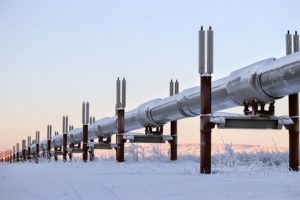
Among other tasks, pipefitters are also responsible for resolving problems such as leaks and cracks in addition to maintaining a clean and up-to-standard pipe system.
Offshore Pipefitter jobs
Offshore pipe fitting jobs are located on the shores of oceans and seas of major oil and gas generating areas. Such areas include the Gulf of Mexico and in the north of Europe, North Sea. These offshore pipefitting jobs range from fitting pipes for hydraulic systems, cement pipes, and lines to water injection pipe systems. Hydraulic systems apply to oil and gas drilling and production, erecting cranes, winches, mooring structures, and other related systems.
It is evident that there is a broad range of offshore pipe fitting jobs that one can pursue exclusively. However, specialization requires more time, proper and specialized training with the help of recruiting companies, workshops, and apprenticeship programs.
Overseas Pipefitter Jobs
Most overseas pipefitting jobs require more than just experience. These jobs require hard work that needs a professional and efficient approach. Overseas jobs are located in European seas and the Mexican Gulf among other oil and gas producing countries.
There are recognized companies that are responsible for recruiting qualified pipefitting professionals to work overseas. These companies make all the travel and accommodation logistics for anyone that wants to work abroad as a pipefitter.
It is no doubt that pipe fitting jobs offer a wide variety of employment specialization under its umbrella. But are you aware of the pros and cons of a career in pipefitting job? Here are some of its benefits and disadvantages.
Pros of a career in pipefitting
- Pipefitting jobs are suitable for individuals who are passionate about practical work. People are wired differently; there are those who are good in theoretical works, those who are poor in academic work, and others who are exceptional in practical work such as pipe fitting.
- Another advantage is that the piping career is not too difficult to join. For example, it only requires work-related skills and knowledge.
- Pipefitting career is also advantageous since it accepts apprenticeship and does not require much training unless one wants to specialize (pipefitters, plumbers, and pipefitters).
- Pipefitting is advantageous for individuals who want to work in a supportive work setting.
- Pipefitting career has decent wages.
- It also has overtime opportunities.
Cons of a career in pipefitting
- It is not fit for individuals that have passion in helping and training others. It is just practical.
- It has long apprenticeship period that may range from 4 to 5 years.
- Pipefitters may sometimes work under intense pressure especially where emergencies, such as oil and gas leaks, are involved.
- They may also experience fluctuating working hours where one may be forced to work both day and nights.
• It has high risks of injuries and illness. These risks arise from the hostile working environments such as in the seas and oceans.

3 Ways to Land a Job in the Offshore Oil and Gas Industry

Oil Rig Careers: 5 Exceptional Benefits

Why U.S. Is No.1 Oil And Gas Opportunity Provider In The World
About Author
