
Oil And Gas Industry Faces The Problem of Talent Shortage
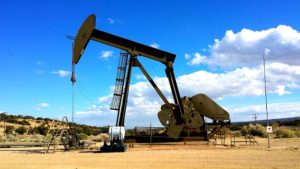 With oil prices crashing beginning in the year 2014, it has exacerbated the talent shortage problem in the oil and gas industry. The situation is worsened by the fact that a significant percentage of the oil and gas workforce is headed for retirement in the coming years. Read this article to know about the problem of talent shortage in the oil and gas industry.
With E&P Activity Ramping Up: Oil And Gas Faces Problem of Talent Shortage
Julianne Geiger said in a recent Oilprice article:
“The total number of active oil and gas rigs in the United States is now 756, according to oilfield services provider Baker Hughes, which is 267 rigs above the rig count a year ago.”
With a significant increase in the number of active rigs, when compared to figures last year, the oil and gas industry will see an increase in demand for workers.
The worry is that with slashing of training budgets, many oil and gas companies could not prepare workers to take on more responsibilities. They had to focus on lowering operating costs and improving productivity. This is likely to have a negative impact on the growth of the oil and gas industry. The challenge lies in attracting workers who have found work in other industries, due to lack of opportunities in the oil and gas industry.
Valerie Jones said in a recent article:
“The oil and gas industry has been aware of its talent shortage for years – fueled in part by retirements, a pause on graduate recruitment during the downturn of the 80s and cutting of training programs. But now that the industry is ramping up E&P (exploration and production) activity again, the shortage is more pronounced.”
Oil And Gas Drilling Companies Scrambling To Attract Talent
With younger people leaving the oil and gas industry in search of stability and better job security, it is bound to leave a talent gap in the oil and gas industry. This, coupled with an increasing number of veterans gravitating towards other industries, makes the problem more complicated. The demand for experienced workers is bound to keep increasing as oil and gas drilling resumes. The need for trained workers to manage the increase in oil and gas production will lead to human resource managers increasing the pay or benefits to attract workers back to the oil and gas industry.
Liz Hampton and Nia Williams said in a recent article:
“Dan Block, chief executive of Edmonton-based Jomax Drilling (1988) Ltd, said contractors he once employed took jobs in other industries, including construction.
“We are scrambling to bring people back,” Block said.
Halliburton, an oil services firm that had about 50,000 employees at the end of 2016, down from more than 80,000 two years earlier, is now holding job fairs in regions where there is an uptick in drilling activity, such as Colorado, Texas, New Mexico, Oklahoma, and Ohio, the company said.”
A number of workers who were laid off in the past two years, on account of the global glut in oil and gas prices, have found work in other industries or have found a new vocation. This makes the task challenging for oil and gas companies in Houston to bring these workers back.

Oil and Gas Job Resumes

The Result of Increase in Employment in Oil & Gas Industry

The Oil And Gas Industry Is Welcoming Women In Its Workforce
About Author
