


Responsibilities of a Drilling Engineer
Drilling and completions engineer jobs entail working on land, mobile drilling units, and offshore platforms. One can be employed by a specialist drill contractor, service company, or an operating oil firm. Their roles include administering drilling and service contracts, planning of wells, engineering design, and supervising the drilling crew on site. Drilling engineer consultant jobs also entail working with other professionals like geoscientists and geologists in monitoring the drilling progress while overseeing the safety, management, and protection of the environment. Other responsibilities of a drilling engineer include:
- Preparation of well data sheets, as well as designing well-head equipment
- Drawing up drilling programs while taking account of the anticipated production flow rates
- Monitoring appropriate maintenance and safety of the well
- Designing directional well paths, including lateral and horizontal ones as they deem appropriate
- Collaborating with multidisciplinary professionals in evaluating the commercial viability of the well while monitoring the drilling progress
- Restoring the site to its natural environmental setting in the event that the drilling process is not to be pursued
What to Expect
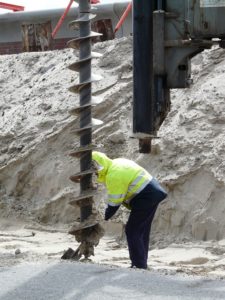
While office-based jobs are available, you will almost always be required to work offshore or in remote areas. This job will literally take you all over the world, from Eastern Europe, Africa, and to the Middle East. Drilling engineer jobs are extremely demanding, in addition to being physically hard; they are often undertaken in noisy, wet, and dirty conditions.
Carrying out offshore jobs entails considerable disruption to your home and personal life. On a positive note, you will have to adapt to communal living that involves coping with the same set of people, which means that you learn to get along with others, both in and outside the work situation. Drilling engineer jobs in US could be relatively difficult for entrants with physical disabilities since the entire rig personnel is required to pass tests in physical fitness, survival, as well as escape from a submerged helicopter.
In essence, a drilling engineer must possess strong interpersonal and communication skills while being able to create and maintain relationships with a wide range of people. This is, in addition to having clear understanding of the scientific principles of such disciplines as mathematics, physics, chemistry, and geology. Sensitivity to different cultures is an added advantage, as well as the ability to work under pressure. However, you should note that recruitment and training patterns vary from company to company, which is especially true regarding to the extraction phase.