

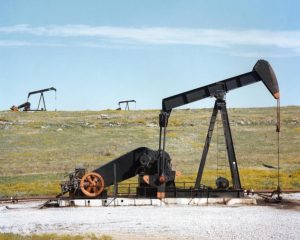

The U. S. Quandry
At present, the supplies are greater than the demand. The price of the commodities falls under such conditions. There is a point when prices dip so low that the producers cannot profit. The likely outcomes include dig stoppage, hiring freezes, and possible layoffs. Oil rigging jobs will decrease.
If the United States grants construction go-ahead of the Keystone XL Pipeline’s northern section by passage of a bill currently under consideration, the problems magnify. The U.S. surpassed Saudi Arabia as the biggest oil producer in the world. The country produces over eight million barrels per day. That figure represents ten percent of the global development. An expectation of nine million barrels per day is likely if drilling does not slow down.
The U. S. imports ten million barrels per day from 80 countries. OPEC is the biggest supplier. Imports are the lowest they have been in 17 years. Production is at a 24-year high. In 2013, the United States’ production exceeded the imports. A repeat of that statistic is possible.
Three Questions to Be Answered
· Would the Keystone Pipeline mean that the U.S. is less reliant on imports from areas that are considered hostile?
· Who benefits from the Keystone Pipeline if the U. S. is the biggest oil producer in the world?
· Why export domestic-produced oil when the United States imports oil from other sources?
Oil tycoon, T. Boone Pickens, believes in a free market society that allows producers to sell wherever they choose. In his opinion, he also believes the U. S. servicing its needs before attempting to sell overseas is prudent. Exports of hydraulic fracturing equipment from America give Asian and European nations the ability to retrieve unconventional gas and oil.
What Lower Prices Mean to the Economy
China and the European continent have slowed economies. At the same time, the U. S. advances because of hydraulic fracturing. OPEC’s production remains unchanged, even though prices dropped. The price is below $60 per barrel. The United States Energy Information Administration reports that prices that low force the oil sector’s hand. Either drilling stops or it continues with the hope of being the victor. In a give and take situation, the ‘give’ is the loss of oil rigging jobs, shareholder dividends, and project expansions.
The global oil glut has possible ramifications on natural gas available from hydraulic fracturing extraction. High oil prices allow natural gas producers to price natural gas at prices lower than oil but still profitable. If oil prices drop, natural gas prices must also fall. The profit margin is smaller with lower prices. Reducing levels of natural gas prop up the price. The price of manufacturing and chemical feedstock, methane and ethane gases, rises.
Oil market intricacies extend beyond the price of vehicle fuel. Major gas and oil companies make spending decisions that affect the economic spectrum. The present market volatility seems to indicate increased oil supplies from the Keystone Pipeline is not a wise idea.