
A Big Industry, A Lucrative Source Of Jobs
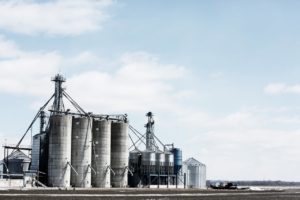 Industrialized nations are dependent on their growing oil industry for a wide range of their products and activities. In addition to fuel for motor vehicles, trains and airplanes, and heat for houses and other buildings, oil is also used to make carpets, detergents, toothpaste, plastic toys, cosmetics, curtains, milk cartons and many other products that we use every day.
The petroleum industry is thus the source for countless jobs in these countries. These include field workers such as derrick men, directional drillers, roughnecks and roustabouts; machinists and maintenance workers; scientists and engineers; control workers and equipment operators; marketing professionals; and clerical and administrative workers. In this article we shall look at one particular job: that of a coating inspector.
Duties of the job
Tasks that are regularly performed by a coating inspector include:
- with a paint contractor, reviewing areas selected at random before the surfaces are prepared for painting or coating
- representing the contractor during yard painting inspections performed by the subcontractor, ensuring that the company adheres to proper standards of quality control
- serving as a potential witness for coating inspection on the premises of the subcontractor
- if necessary, preparing NCD for coating or painting
- reporting findings to the contractor and notifying him or her of any production problems
- helping to identify and correct such problems
- discarding products that do not meet the required specifications
- recording grades, temperature, weight, moisture content and other inspection data
- making the calculations necessary for determining test results
- making sure that products comply with standards by comparing their characteristics, such as color, grade, shape and texture, with those on a chart or template
- remedying defects that were discovered during the process of inspection
- overseeing drilling and testing activities
- putting products and components into the proper position for testing or delegating that task to another
- monitoring machines designed to test products automatically and setting their controls
- grading products according to color, size, weight and other specified qualities
- drawing up test and inspection reports
Why such workers are needed
Any surface to which a coat of paint is to be applied needs to be properly prepared or else the paint job will deteriorate and look ugly. If an oil-based paint is applied to a moist surface, for instance, parts of the dry surface will swell up like bubbles (this is called blistering); or if the surface is too dirty, moist or glossy, it can peel. Once the paint has dried, it should be resistant to water, chemicals and sunlight. If the painted surface is outdoors it has to contend with the weather, while indoor paint surface
More information
For those who want to know more about coating inspector jobs, read The Coating Inspector’s Handbook.

Why Purchasing in the Oil Industry Requires Unusual Skills

How To Prepare Yourself To Get Hired Faster
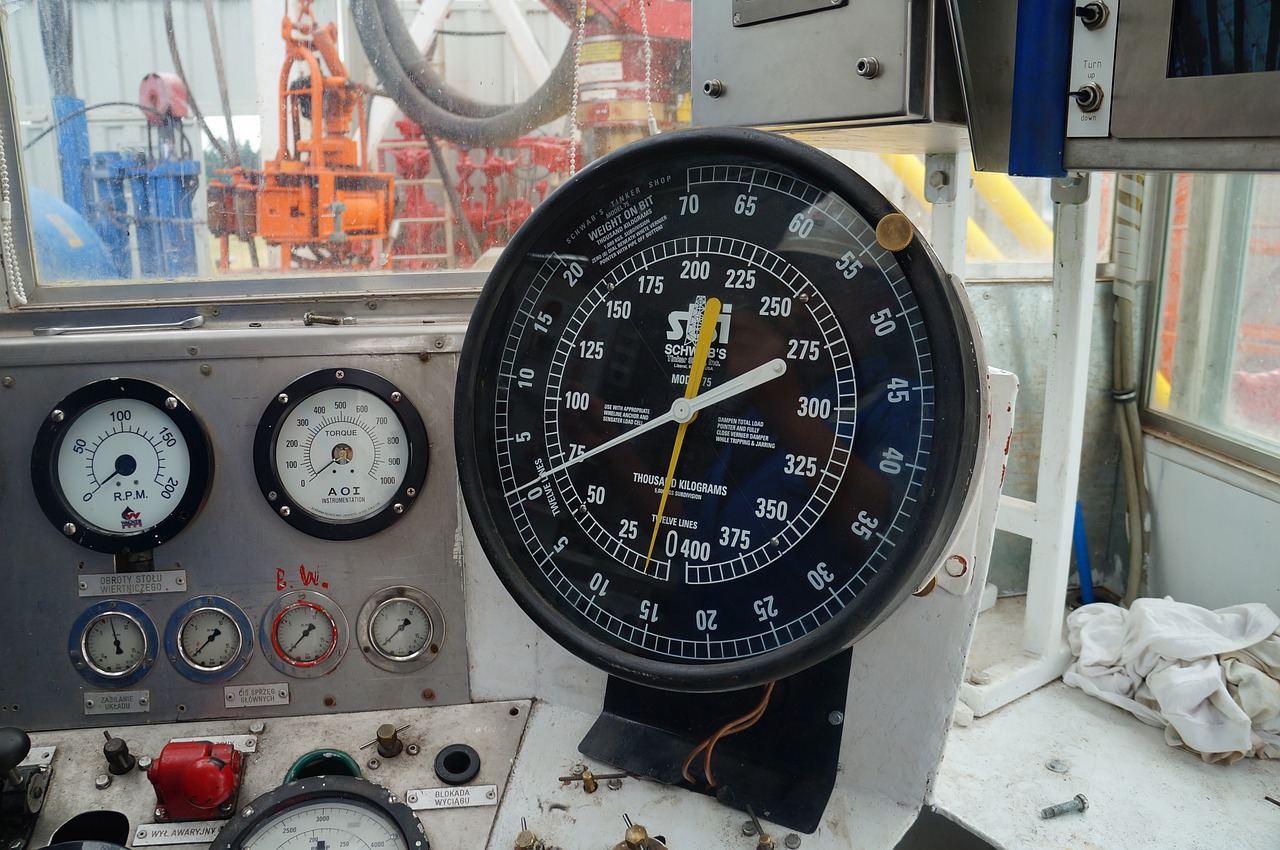
The Top 4 Oil Field Jobs In America
About Author
