
What, Why and How of The Upstream Petroleum Sector
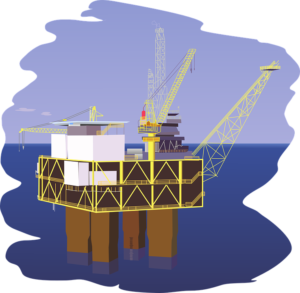 The Petroleum industry partitions into the upstream, midstream and downstream sectors.
The upstream sector, comprised of exploration and extraction companies, locate oil and natural gas deposits using seismic activity fingerprinting, and perform petroleum extraction and well drilling activities, of these natural resources. Oil Refiners account for the downstream sector in the distribution of oil and gas.
Related sector services include rig operations, machinery rentals, performing studies related to the likelihood of operations success, as well as extraction chemical supply.
Sector Size
In 2013, setting an industry record, upstream exploration and production assets totaled $135 billion. Deals have grown significantly from $46 Billion in 2009 to $90 Billion in 2010. New assets in the first two quarters of 2013 totaled $48 Billion.
Upstream also has the highest number of merger and acquisition activity. In 2012, the figures were nearly 680 deals and over $250 billion.
Upstream Investment Activities
According to a 2014 MENA industry report, significant investment continues to pour into the upstream sector targeted to increase oil production and to satisfy the growing petroleum demand.
Economic Significance of the Industry
Due largely to the export value of petroleum and fossil fuel related products, oil and (liquefied natural) gas are now recognized as important drivers of economic growth. Gas is a necessary resource in powering nations and fueling programs which create wealth and employment opportunities across business sectors.
Upstream Sector Trends
Creation of upstream jobs continues from increases in the domestic value chain. Worldwide industrialization trends increasingly depend upon a petroleum base.
Increasing petroleum focus in growing Asian economies, is resulting in shifts in worldwide trade paradigms. This is enhanced by internal pushes towards US energy independence. This will impact oil demand structures as they relate to Asia, especially the Middle East.
Growth and Technological Innovation
Deep water exploration in South America, Asia, North and Central America, Australia, Africa and the Middle East have resulted in large increases in the upstream sector’s presence and drilling footprints.
Improvements in seismic related exploration equipment are ongoing and necessary. Innovations in this field allow increased petroleum extraction from existing wells, and drilling opportunities in field sources once considered too difficult to explore and drill.
Employment Trends
Increased upstream activity creates demands for specialized skill sets in geology, engineering, oil drilling operations, as well as in analysis roles related to planning and logistics. There is also increased need for related roles in business communication experts, legal compliance and business ethics, corporate finance, human resources, supply chain and audit specialists.
Investment in Employee Knowledge and Skill
Upstream companies tend to heavily invest in employee training. For instance, British Petroleum maintains two of the most innovative upstream learning centers in Houston, Texas and Sunbury in the United Kingdom which provide worldwide instruction for upstream employees. The program focuses on petrotechnical employees, finance, leadership development and supply chain management. The centers include the standard educational quarters including classrooms, conference and break-out rooms, but also advanced instructional apparatuses such as life-size simulators, 3D visualization tools and video conferencing.

Take A Look At The Positive Side Of The Downturn
Job Aspirants Will Find The Oil And Gas Industry Promising In Coming Years
The Top Oil and Gas Job Search Conferences
About Author
