
Getting A Job On A Canadian Oil Rig
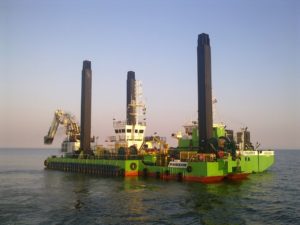 In today’s economic climate, a secure, well-paying job is somewhat akin to a unicorn – awesome and magical, but hard to find. Happily, the world needs energy no matter what its governments are doing and no matter what the headlines say. No one, whether pauper or billionaire, wants to live in a world without electricity, the Internet, or any of the other other basic comforts and necessities of modern society. As a result, employment on oil rigs, particularly offshore oil rigs, has jumped in popularity over the recent years. Read on to learn how to start your own career on a Canadian oil rig.
FIND OUT IF YOU MAKE THE CUT
The lure of adventure and wads of cash draw many an eye to the oil rigs of Canada, but the fact is that oil rig work is very unique, and at times, incredibly strenuous. That means not everyone can do it. You don’t need to be a Ph.D. to land a job, but there are a few basic qualifications everyone must meet, no matter their position.
- First, you must be at least eighteen years old, and some companies and locations require that you be over eighteen
- You need to be very fit / in shape, both physically and mentally. Working hundreds of miles away from family and friends for twelve hours a day, seven days a week takes its toll – a pre-employment physical is required, and you must pass. Similarly, if you have a vice, give it up now. The vast majority of rigs are non-smoking operations, and alcohol will be largely unavailable to you during your on-rig shifts. Failing a drug test, of course, is unacceptable, and will result in severe penalties. If you indulge in the recreational use of illegal substances, seek employment elsewhere.
- You (and your family and friends, for that matter) need to understand that rig work is more a lifestyle than anything else. Shifts are typically fourteen to twenty one twelve hour days in a row, with a week or so off, depending upon the company that hires you. To work nights is not uncommon, and free weekends are a luxury to be cherished. Family time will be severely limited.
ARE YOU EXPERIENCED?
The oil and related natural energy industries are vast, and so are their staffing requirements. While a basically qualified person can get a job with little to no experience, relevant knowledge will definitely boost an applicant’s chances of success. Accredited mechanical, electrical, cooking, and / or medical experience, for example, is highly prized by the industry, so get as much of it as you can before you apply.
DO YOUR RESEARCH
This one’s simple: Investigate jobs you think you’d like, and learn as much about them as you can before you apply. It’ll give you an idea of what to expect, and it’ll make your application sound like it comes from someone who actually knows what they’re getting into.
GET CERTIFIED
While not strictly necessary in Canada, all oil rig work with even a marginal U.S. presence requires a TWIC, or Transportation Worker Identity Credential. This may seem lie an unnecessary hassle, but it will make you that much more portable in terms of work choices should you decide to move later on, and also flag you as someone who goes the extra mile. So will enrolling in and completing any of the various maritime / offshore survival courses offered by many states and provinces in North America. Indeed, these courses are often a requisite condition of employment no matter where you work.
APPLY!
Now comes the fun part – the application process. Craft the best resumé you can, and email, fax, or post it to as many companies as you wish. This is one case in which the shotgun approach is best. Just make sure that all copies are professional, accurate, and personalized to each company you think you’d like to work for.
CONCLUSION
And there you have it – a basic primer on securing employment on a Canadian oil rig. Best of luck!
Four Reasons Why Oil Field Jobs Are The Best Choice In Colorado
The Best Career Opportunities in Alberta Oil and Gas Jobs

Use Of The Latest Technology Aids In Training Offshore Workers
About Author
