

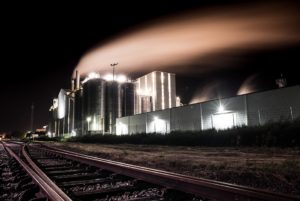

There are about 1,200 oil rigs in the United States. There was already a large number in Alaska, California and Louisiana. However, new oil rigs are being discovered in the Gulf of Mexico, Texas and North Dakota.
Since the United States has increased its production of domestic crude oil, there has been demand for workers to fill more oil platform jobs. If you are interested in applying for one of these positions, the following are 7 interesting facts that you should know:
- There are oil rig jobs for the inexperienced. Entry level positions such as deckhands, welding assistants, painters, cooks, stewards, roustabouts and cleaners are available. Applicants must have a high school diploma, pass a drug test and be in good physical condition to be considered for these positions.
- Advanced oil rig jobs are also available. Applicants must have training in welding, mechanics or know how to handle heavy equipment to be considered for these positions. Jobs such as rig welders, rig medics, drillers, mudmen, motormen, crane operators, rig mechanics and electricians are available on this level. Quite naturally, the more education and experience, the higher the job pays.
- Not all oil platform jobs are energy related. Many jobs on an oil rig are in a support capacity only. These are jobs such as doctors, cooks, cleaners and painters. The workers in these jobs also have to work day, night and double shifts.
- Oil platform jobs have unusual shifts. The schedule is based upon shift rotations. You work a certain amount of days, and then you are off for a certain amount of days. For instance, 14/21 means that you work for 14 days, and you are then off for the next 21 days. So basically, after every two weeks, there will be a three week vacation on board the rig.
- Oil platform workers have wonderful accommodations. Oil companies make sure that their workers are well provided for because of the long hours, hard work and desolation that exist on an oil rig. Some have said that oil rigs are no more than floating resorts with an edge. Most expenses such as board, travel, transportation and food are covered by the oil company. Alcohol, drugs, weapons and flammable items are not allowed on oil rigs. However, there are designated places on each rig where workers can smoke. But they must use company issued safety matches.
- Oil rig workers must endure a fast paced and dangerous environment. But it can also be a lonely place that is desolate and far away from rest of the world. Workers have been known to endure hurricanes, fires, explosions, long hours, stress, fatigue, depression and insufficient training. But many workers are willing to work under these harsh conditions because of the wonderful pay that they receive.
- Oil platform jobs are unsafe, but workers are very well compensated. Entry level positions pay in the range of $45,000 to $80,000 per year. A steward makes the lowest salary on an oil rig. More professional positions earn about $70,000 to $220,000 per year.
All in all there are advantages and disadvantages of working on an oil rig. The hours are long, and the conditions are dangerous. However, the pay is very good. Oil companies are looking to fill many oil platform jobs. Consider working on an oil rig. Earn money while seeing the world.