
4 Essential Skills for A Successful Career as A Pipefitter
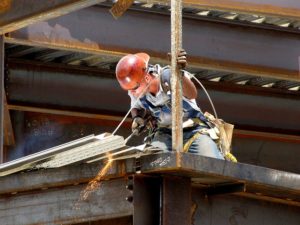 A pipefitter basically makes, installs and maintains all types of pressure piping including piping for steam boilers and hot water, pneumatics, hydraulics and any other type of system that uses piping. Pipefitters weld and cut metals and work with pressurized water and valves, gas, oil, steam and other materials.
Pipefitters can find themselves making repairs in historical buildings or in new construction buildings, industrial buildings or residential homes. For this reason, they must have important skills as they repair and install pipe and plumbing systems. The following information highlights some of the essential skills needed for a pipefitter to succeed.
Reading and understanding blueprints
Following safety and plumbing codes is an important aspect of a pipefitter’s job. It is imperative that a pipefitter is able to read, interpret and understand building blueprints so that the work is done correctly and safely. Reading blueprints also allows a pipefitter to know what they need to install and the types of pipes to be used. This helps to prevent future leaks and plumbing problems.
Numeracy Skills
Numeracy skills are needed to convert length measurements from the International System of Measures (SI) to the imperial measurement system and vice versa. Mathematical calculations determine the contraction or expansion of piping materials and decide whether an expansion joint or loop is required to minimize stress in the piping system. Trigonometry is also required to calculate rolling offsets during the installation of fittings in the piping system.
Personal and Customer Service Skills
The knowledge of customer relation principles and processes is vital for this job. These skills include customer need assessments, evaluating customer satisfaction and meeting quality standards for all services provided. Customers should not only come back for your services, but also recommend you to potential customers. Additionally, one should be able to work well with others.
Tool Operation Knowledge
A pipefitter has to use a number of industry tools on a daily basis. These tools are used to measure, bend and cut materials on the job. This requires proper knowledge on how to use each tool while ensuring safety. Some tools and equipment used by pipefitters include torches, saws, pipe benders and tape measures. If one does not know how to use these tools correctly, the final work could be faulty.
These skills are taught in apprentice schools and guide a pipefitter on how to build a strong base in order to have a successful career. With proper education and good hands-on training, one can put themselves on the path to a successful pipefitter career.

Why It Pays To Stick To Your Oil And Gas Job

Top 5 Facts You Didn’t Know About Document Controller Jobs

Learn About The Different Roles-Jobs In Oil Rig companies
About Author
